
Your Child’s First 3 Years:
What to Know and What to Do
The first 3 years matter more than you think.
Your child’s brain grows faster in the first three years than at any other time.
Every interaction—talking, reading, comforting—helps build the foundation for learning, behavior and health.
At Arbor Family Health, we’re here to support you every step of the way.

Before Baby Arrives!
Supporting Your Baby Starts During Pregnancy
Your baby’s development begins long before birth. What you do during pregnancy can support your baby’s growth, brain development and long-term health.
Take Care of Your Health
Keep prenatal appointments
Eat well, stay active and rest
Reduce Stress
Ask for help
Take time to recharge
Talk with your provider
Start Bonding
Talk, sing or read to your baby
Respond to movement
Create calming routines
Prepare Your Family
Talk to siblings
Involve them in simple ways
Plan for support
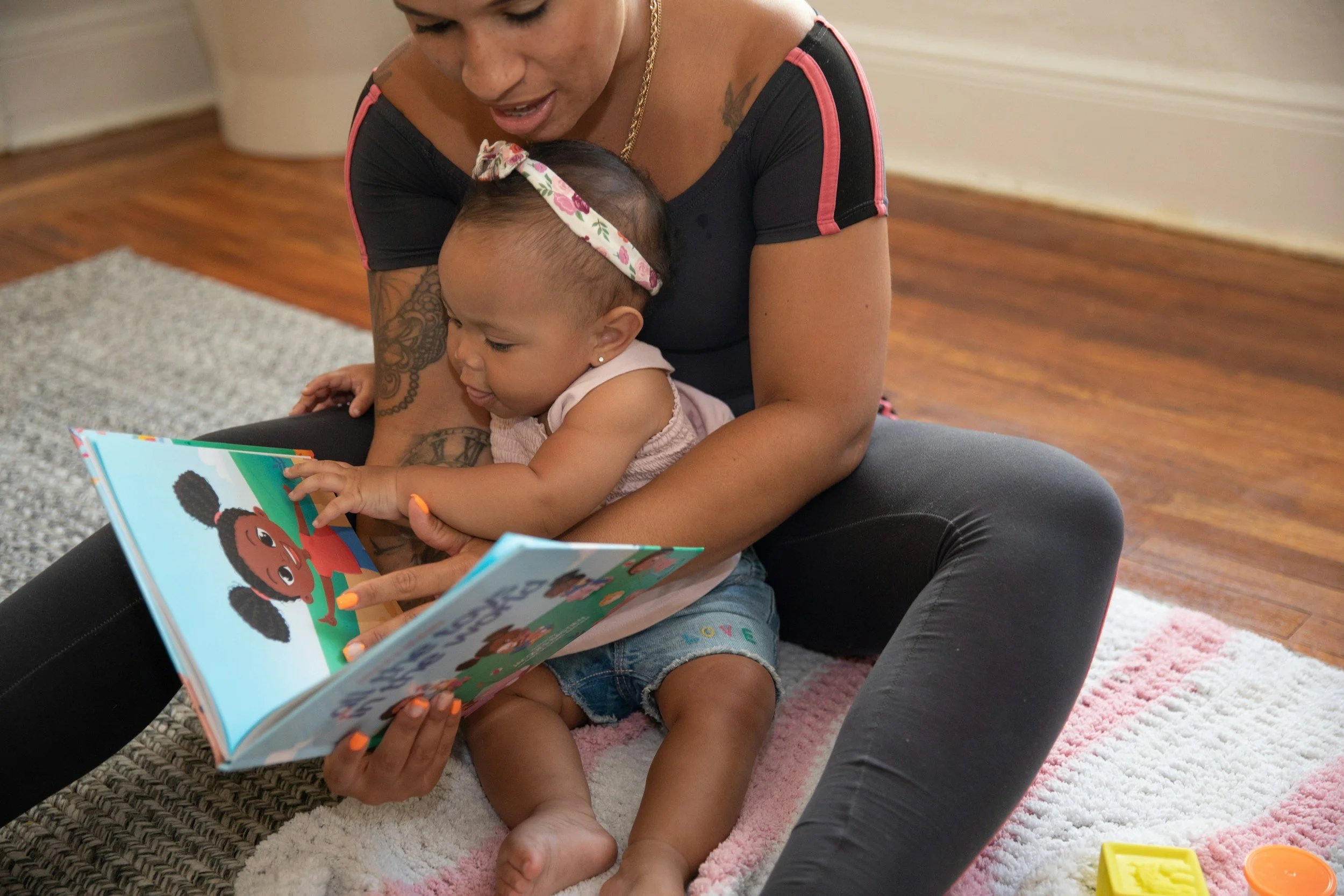
Why the First Three Years Matter
Simple, everyday moments make a huge difference.
Your child’s brain is growing faster now than at any other time in life. These early years shape how they:
Learn and communicate
Build relationships
Handle stress and emotions
Stay healthy as they grow
The good news? The things that matter most are simple and happen every day. READ MORE
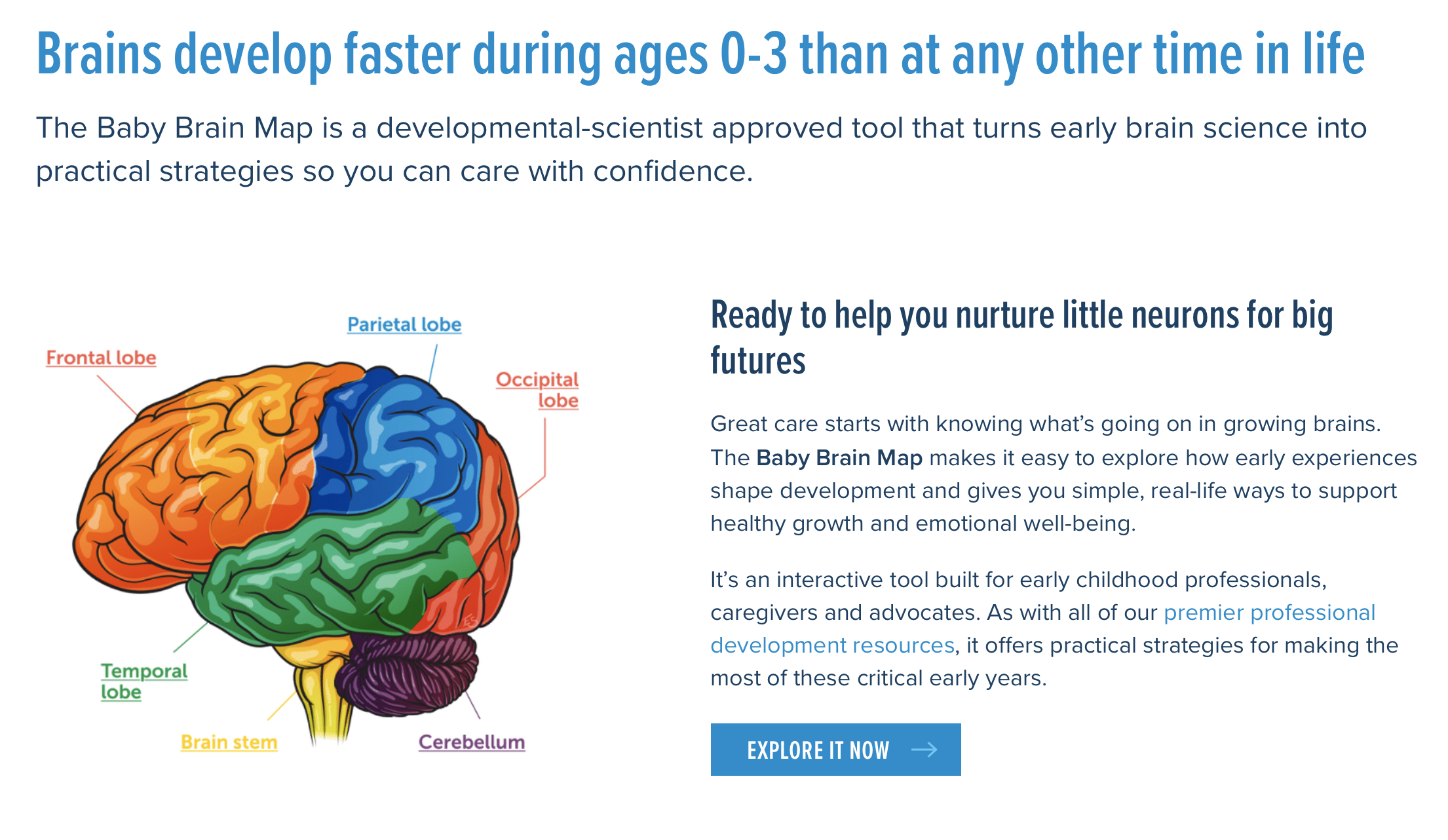
How can the Baby Brain Map be used? The Baby Brain Map is a developmental scientist-approved tool that helps you to make a meaningful impact during this critical window of infant brain development. READ MORE
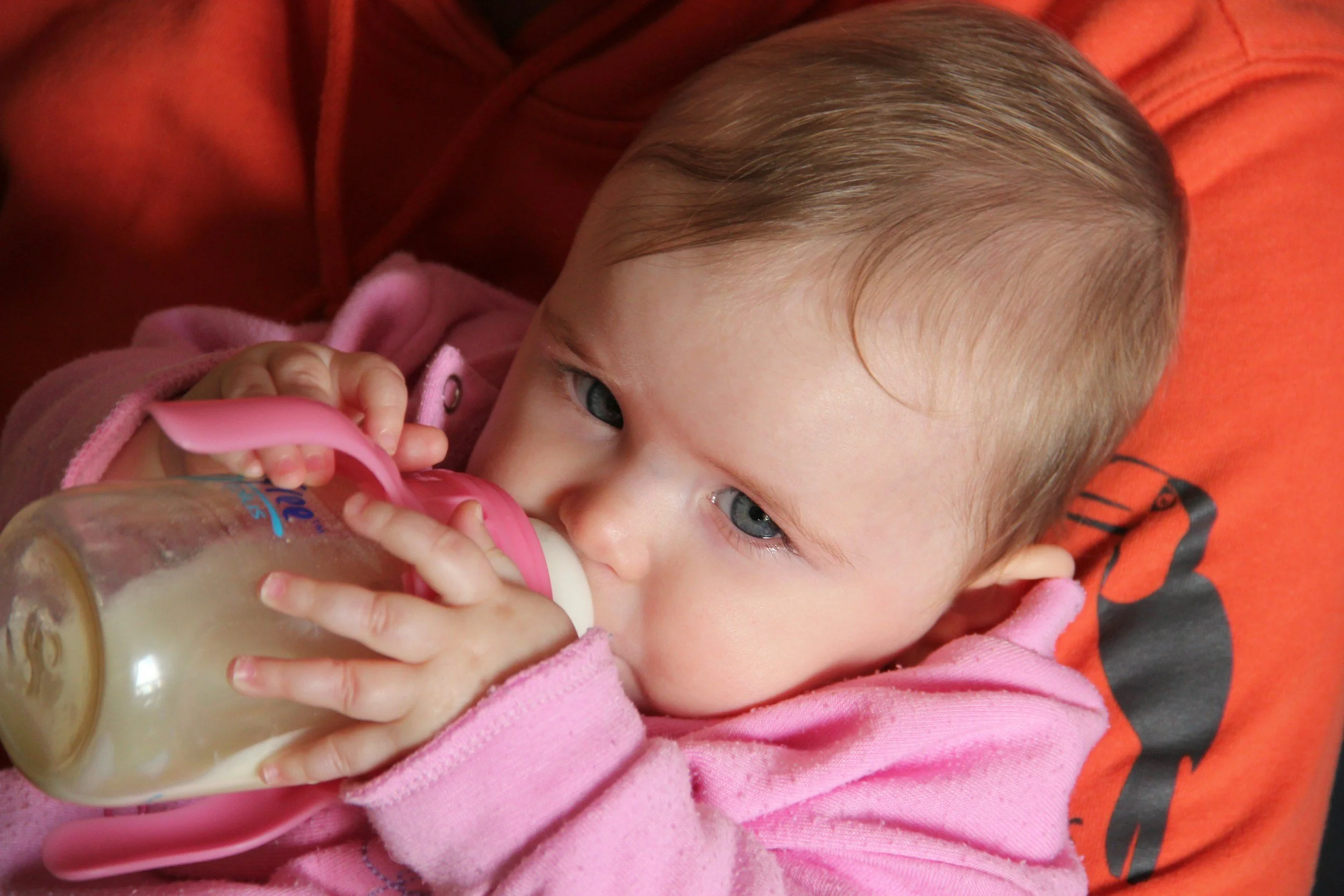
How You Help Build Your Child’s Brain
Little things make a big impact.
When your baby looks at you, makes a sound or cries—and you respond—you are building their brain. This is called responsive caregiving.
Try This Every Day:
Talk to your baby during routines like feeding and diaper changes
Play with your baby—this is how they learn. Peekaboo builds memory, stacking objects builds problem-solving, pretend builds language
Read a book together—even just a few minutes
Make eye contact, smile and respond to sounds
Comfort your child when they are upset
Create simple daily routines
These small moments help your child feel safe and ready to learn.
A Year of Play Check out fun, seasonal activities by month to find play activities that promote your child's development all year. READ MORE

What to Expect by Age
Every child develops at their own pace, but these are general things to look for:
Newborn (0–3 Months)
Looks at faces and follows movement
Begins to smile
Responds to sounds
Calms when held or comforted
Infant (3–12 Months)
Babbles and makes sounds
Recognizes familiar people
Begins to sit, crawl or stand
Shows clear attachment to familiar caregivers, may have stranger anxiety
Toddler (1–3 Years)
Says words and simple phrases
Walks, climbs and explores
Shows emotions and independence
Begins to name feelings, tests limits, seeks comfort during big emotions.
See more detailed milestones:
Download our Milestone Moments Checklist and keep it nearby.
HealthyChildren.org (AAP)
Caring for a young child is hard. Sleep deprivation, postpartum depression, and anxiety are common and treatable. Our providers care for parents, too — ask us.
Download our Milestone Moments Checklist!
Screens and Your Young Child
Babies and toddlers learn best from real people, not screens.
Under 18 months: Skip screens, except for video chats with family
18–24 months: If you choose to introduce screens, pick high-quality shows and watch together so you can talk about what you see
2–3 years: Keep screen time short and watch together when you can. Set clear limits and stick to them
Why it matters: Talking, playing and reading with your child build their brain in ways screens can't. Even good shows are no substitute for time with you.
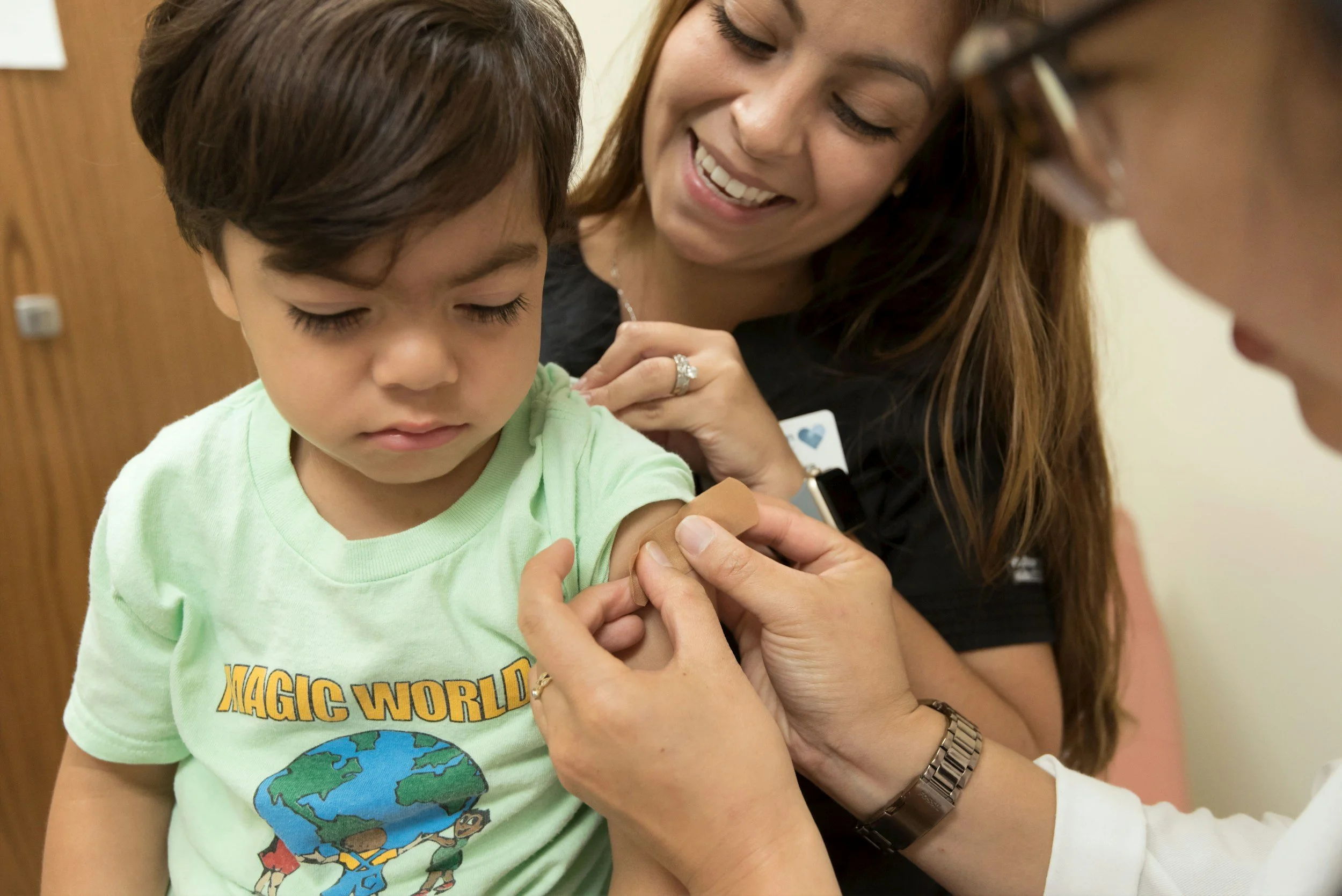
When to Talk to a Doctor
It’s okay to ask questions!
Every child develops at their own pace, but some signs may mean it’s time to check in:
Not making eye contact
Not responding to sounds or voices
Delays in movement, speech or interaction
Feeding or sleep concerns
Loss of skills they once had
Don’t wait—Arbor providers are here to help.
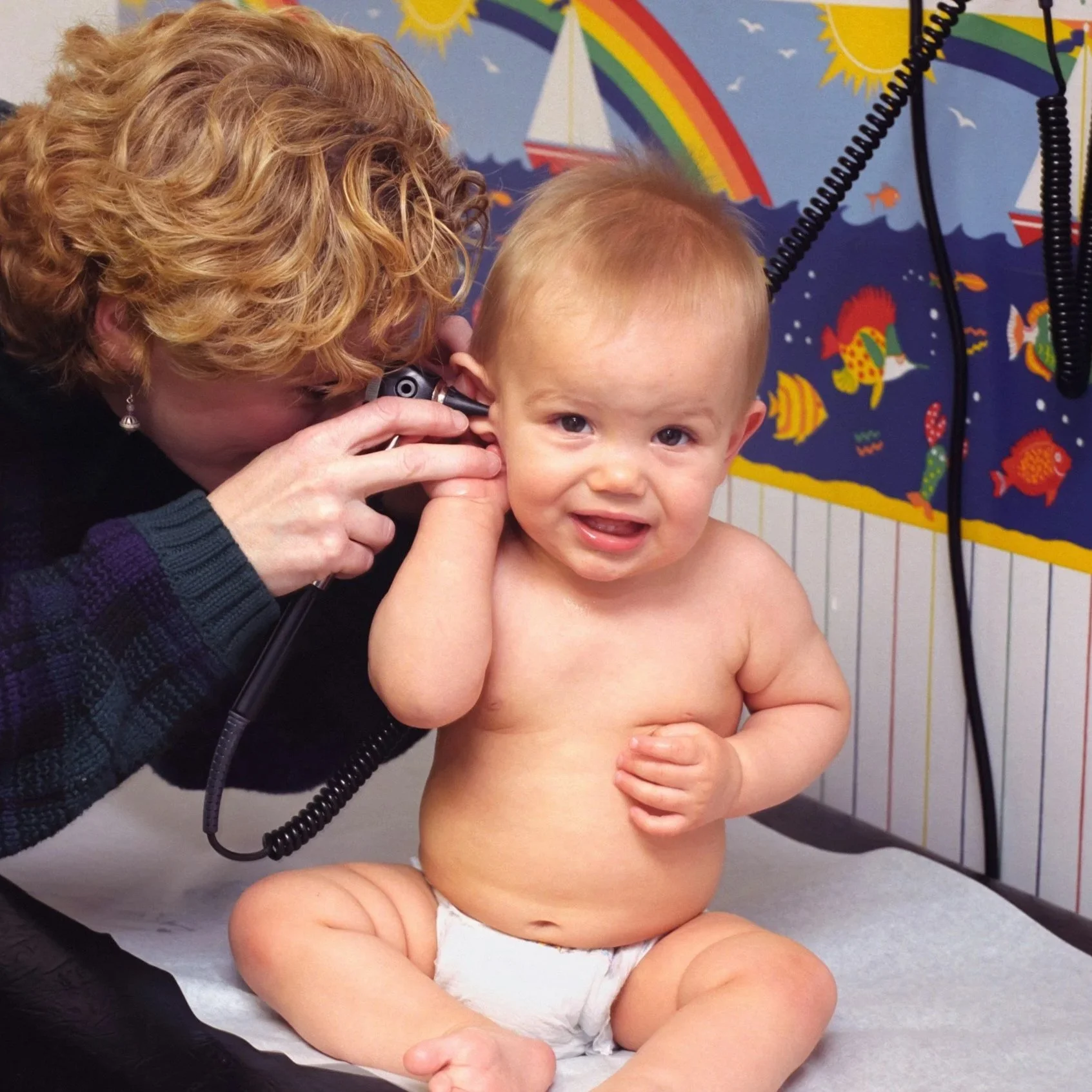
How Arbor Family Health Supports You
Care close to home
We provide:
Pediatric checkups and developmental screenings
Guidance on feeding, sleep and behavior
Support for parents and caregivers
Referrals if additional care is needed
Our team is here to help your child grow healthy and strong.
Start your child’s care with a provider you can trust!
We’re Here to Help
Get your child started with care at Arbor. Arbor Family Health provides ongoing support, education, and care every step of the way.