
Screen Time
Babies and toddlers learn best from real people and real play, not from screens.
Here is simple guidance by age, plus easy things you can do at home.
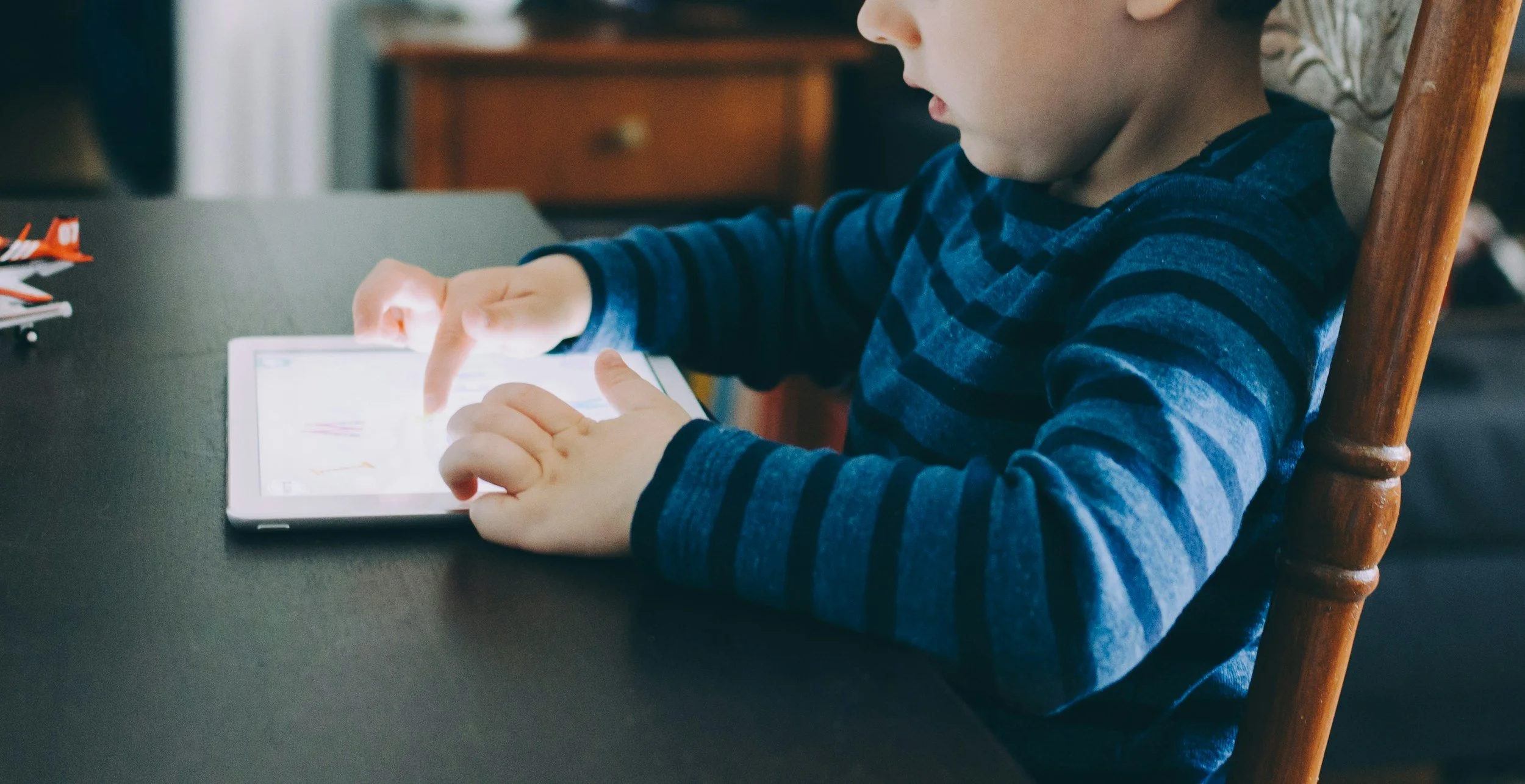
Why it matters
Children under 2 learn best by exploring and playing with people. They have a hard time learning from screens unless an adult is there to explain.
Too much screen time can crowd out sleep, play, exercise, and time with you.
Talking, playing, and reading with your child build their brain in ways screens cannot.
Screen time by age
Under 18 months: skip screens, except for video chats with family.
18 to 24 months: if you choose to start screens, pick high-quality shows and watch together so you can talk about what you see.
2 to 3 years: keep it short, about an hour a day or less of high-quality shows, and watch together when you can.
Quality matters more than the clock
Newer guidance focuses less on a stopwatch and more on what your child watches, who is with them, and when. Watching together and choosing good content matter most.
Pick shows and apps with no ads and no constant rewards.
Do not let screens replace sleep, play, or time with family.
What you can do now
Turn off screens during meals and at least 30 to 60 minutes before bed.
Keep TVs and devices out of your child's bedroom.
Do not use screens to calm tantrums or as a babysitter.
Turn off background TV, and put your phone down during playtime.
Make a simple family media plan that works for your home.
Learn more from trusted sources
We’re Here to Help
Get your child started with care at Arbor. Arbor Family Health provides ongoing support, education, and care every step of the way.